
Haahr Law Group · Reviewed November 2026
 Key Dates at a Glance
Landfall (date of loss): October 9, 2026
New claim
Oct. 9, 2027
1 year from landfall
Reopened claim
Oct. 9, 2027
1 year from landfall
Supplemental claim
Apr. 9, 2028
18 months from landfall
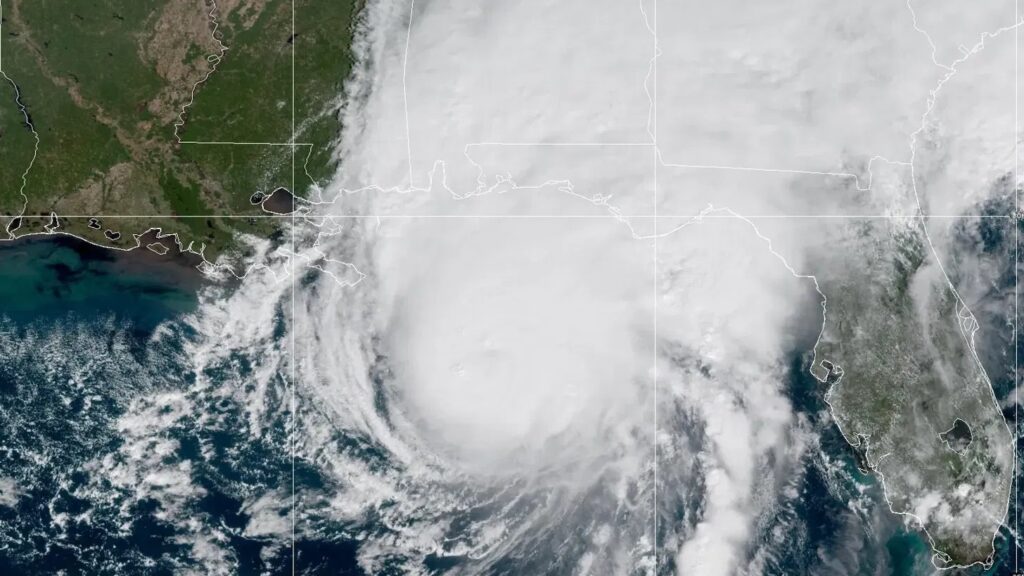
Hurricane Isaias made landfall near Destin on the evening of October 9, 2026, as a Category 2 hurricane. Its winds, storm surge and flooding rain damaged homes, businesses, hotels and condominium buildings across the western Florida Panhandle.
If you’re dealing with an Isaias insurance claim, here is what Florida law says about your deadlines, what your insurance company must do, the disputes that come up most often after a hurricane, and the steps that can help protect your claim.
01 · Deadlines
When Is the Deadline to File a Hurricane Isaias Claim?
Florida law sets outside limits for giving your insurer notice of a property claim. For a hurricane, the date of loss is the date the storm made landfall. The clock does not restart when the insurer pays, closes the claim or when repairs are finished. Fla. Stat. § 627.70132.
| Claim type | Deadline | What it covers |
|---|---|---|
| New claim | October 9, 2027 | Damage you haven’t reported to your insurer yet. |
| Reopened claim | October 9, 2027 | Additional costs for damage you already reported, after the insurer has closed the claim. |
| Supplemental claim | April 9, 2028 | Additional loss from the same storm, or added costs that come up while completing repairs on a timely claim. |

These are the latest dates the law allows, not a reason to wait. Most policies also require “prompt” notice. Different rules can apply to condominium loss-assessment coverage and to older policies, so confirm the dates that apply to your own claim.
02 · Insurer Duties
What Does My Insurance Company Have to Do?
Florida law also sets timelines for insurers. Under Fla. Stat. § 627.70131, your insurer generally must:
7 days
Review and acknowledge your claim communications.
30 days
Physically inspect the property after receiving your proof-of-loss statement.
7 days
Send you its adjuster’s detailed estimate after the estimate is prepared.
60 days
Pay or deny the claim, in whole or in part, after receiving notice of it, with a written explanation of the reasons. If it pays less than its own estimate, it must explain the difference in writing.
These timelines apply to residential claims and to commercial claims involving structures or contents of 10,000 square feet or less. They can be extended by a state emergency order or paused during mediation, or when the insurer is waiting on information it requested from you. Missing a deadline does not, by itself, give you the right to sue, but late payments generally carry interest.
03 · Common Disputes
Why Do Hurricane Claims Get Denied or Underpaid?
Hurricane claims often turn on a few recurring questions:
Wind or water?
Most property policies cover wind damage but exclude flood, including storm surge, which is usually covered only by a separate flood policy. When a property has both, how the damage is divided between wind and water can make a large difference in what each policy pays.
New damage or “wear and tear”?
Insurers may attribute damage to age, deterioration or an earlier event rather than the storm. Photos of the property before the storm, maintenance records and repair invoices can help show its condition before Isaias.
Roof payments
Some policies pay only the depreciated value of an older roof. See Can an Insurer Pay Only ACV for an Older Roof?
The hurricane deductible
Hurricane deductibles are usually a percentage of the dwelling limit and apply per calendar year, not per storm. See Hurricane Deductibles: Available Options and When They Apply.
The cost of the repairs
The insurer’s estimate may leave out items, use low pricing, or skip work that current building codes now require. See Building-Code Upgrades After a Major Loss.
Dealing with this right now?
If your claim was denied, delayed, underpaid or closed without payment, we can review where it stands.
04 · Protect Your Claim
How Can I Protect My Hurricane Claim?
1
Document everything with dated photos and video, inside and out, before cleanup or repairs where it’s safe to do so.
2
Prevent further damage with reasonable temporary repairs, such as tarping a roof or covering openings, and keep every receipt. Most policies require this.
3
Keep a claim log of every call, email, inspection and request, with dates and names.
4
Get the insurer’s estimate in writing and compare it with your contractor’s estimate line by line.
5
Respond to document requests promptly. Delays in providing requested information can pause the insurer’s deadlines.
6
Read before you sign. Understand any release, proof of loss or settlement document before signing, especially one that says the claim is resolved in full.
05 · Larger Properties
Condominiums, HOAs and Commercial Properties
Larger properties raise their own issues. Association claims can involve the master policy, unit owners’ policies and questions about who is responsible for which parts of the building.
Condo unit owners: loss-assessment deadline
Florida law allows notice by the later of one year after the loss or 90 days after the association votes to levy the assessment, but no more than three years after the loss.
Commercial buildings and hotels larger than 10,000 square feet fall outside the 60-day pay-or-deny rule described above, and their policies often include business interruption coverage and higher deductibles. Learn more on our Condominium & Community Association Claims page.
06 · Know the Rules
What If a Public Adjuster or Contractor Contacts Me?
After a hurricane, property owners are often contacted by public adjusters and contractors. A few rules to know:
- Only a licensed public adjuster or a licensed attorney may be paid to prepare, negotiate or settle your claim. A contractor can explain its repair proposal but cannot act as your claim representative unless separately licensed.
- For residential claims arising from a declared emergency and made within a year of the declaration, a public adjuster’s fee is generally capped at 10%.
- For a declared-emergency claim, you can generally cancel a public adjuster contract until the later of 30 days after the loss or 10 days after signing.
- For policies issued or renewed on or after January 1, 2023, insurance benefits generally cannot be assigned to a contractor through an assignment of benefits.
07 · FAQ
Common Questions After Isaias
My claim was closed without payment. Is that the end of it?
Not necessarily. Florida law allows a closed claim to be reopened for damage you already reported, generally within one year of the date of loss. Claims can also be closed for reasons such as missing paperwork or no contact. A lawyer can review why your claim was closed and what options remain.
I already accepted a payment. Can I still ask for more?
Often, yes. A supplemental claim can seek payment for additional damage or repair costs from the same storm, generally within 18 months of the date of loss. Whether you signed a release matters, so bring any paperwork the insurer gave you to your consultation.
Your office is in St. Petersburg. Can you help with a Panhandle claim?
Yes. We represent policyholders throughout Florida. Consultations can be held by phone, and documents can be shared electronically.
This article summarizes Florida statutes as of November 2026. A particular claim still depends on your policy language, the cause and extent of damage, and the facts of your situation.
Free Isaias Claim Consultation
Denied, delayed, underpaid or closed? Find out where your claim stands.